As we move into the summer months, the pace of change in all of digital marketing continues to accelerate. This month, we’re seeing significant developments across social media, artificial intelligence, and paid advertising—each reflecting a growing emphasis on engagement, automation, and AI-driven experiences.
From the latest LinkedIn engagement features to Google’s efforts to standardize organizational information on AI systems and significant updates to Google’s ad bidding strategies, these changes can influence the way businesses communicate with audiences, manage information, and improve marketing performance.
Let’s explore this month’s key updates and what they mean for marketers.
LinkedIn introduces GIFs in comments: The transition to dynamic engagement
LinkedIn has rolled out a new feature that lets users add GIFs to comments, joining a wide array of updates to the platform including creator tools, profile enhancements, AI improvements, games, and Recruiting Assistant enhancements.
While the addition may seem small, it represents a broader change in LinkedIn’s approach to engagement.
The platform continues to encourage more frequent and interactive conversations by lowering the barrier to participation. GIFs give users a quick and visual way to react to content without having to write a full response, which can potentially increase engagement across posts and conversations.
For brands and professionals, the feature presents both opportunities and considerations. When used correctly, GIFs can add personality and make interactions feel more accessible. However, maintaining expertise is still important, especially in industries where credibility and expertise are key to audience trust.
What does this mean for your business?
As LinkedIn evolves into a more collaborative platform, businesses should continue to focus on authentic engagement strategies. While new features can help increase visibility and engagement, thoughtful and value-driven collaboration remains the foundation of successful LinkedIn marketing.
Google introduces Open Knowledge Format (OKF)
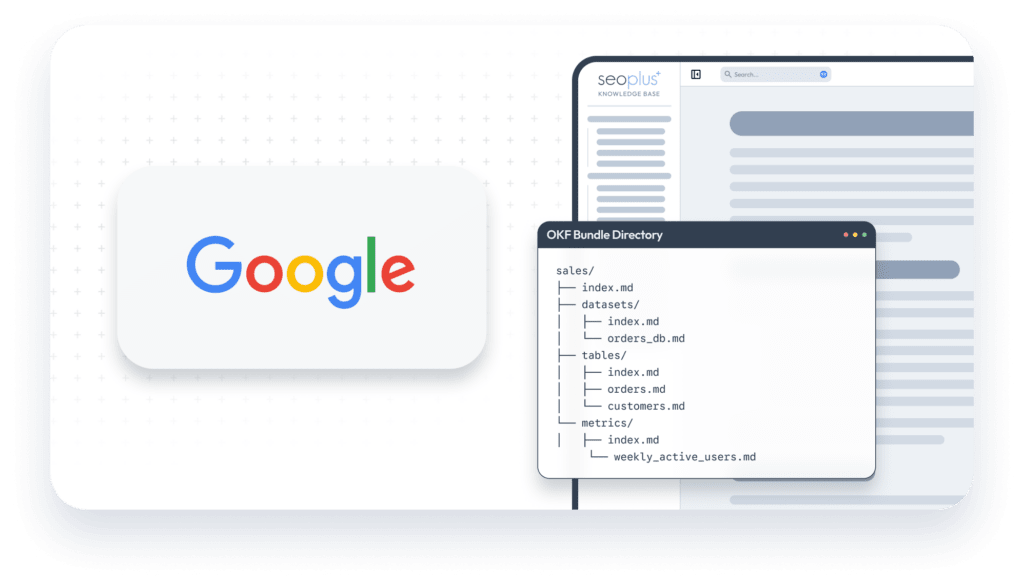
Google recently launched the Open Knowledge Format (OKF), a new open specification designed to help organizations organize and share knowledge more effectively with AI systems.
Many businesses face a common challenge: important information is often distributed across multiple platforms, including internal documents, shared drives, project management tools, and knowledge bases. While AI technology continues to advance, its effectiveness is highly dependent on access to accurate and well-structured information.
OKF aims to address this challenge by establishing a standardized framework for organizing organizational information using markup files. Because layout is both human-readable and machine-readable, it creates a shared structure that can improve accessibility for employees, software applications, and AI-enabled tools alike.
The announcement reflects the growing reality of AI adoption: even the most advanced AI systems can only deliver meaningful results when they have access to the right context and reliable data.
What does this mean for your business?
Organizations investing in AI-powered workflows should take a close look at developments like OKF. As AI adoption grows, businesses with well-structured and accessible information systems will be better positioned to use automation, improve operational efficiency, and successfully scale AI systems.
While OKF is still in its early stages, it represents an important step towards creating sophisticated and interoperable AI ecosystems.
Google Ads is updating its targeting-based bidding strategies
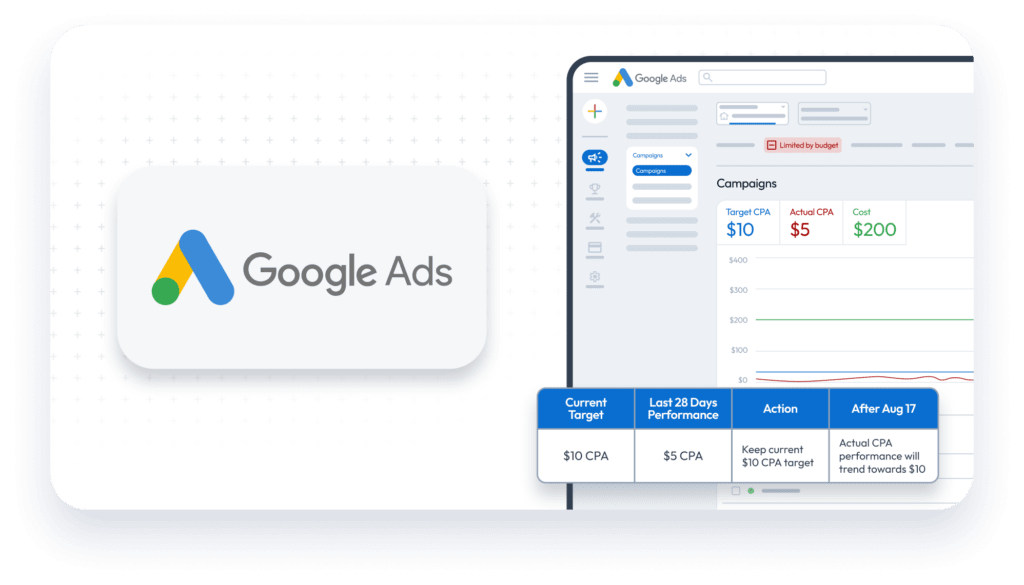
Google Ads is introducing changes to its targeting-based bidding strategies that could impact campaign performance later this summer.
Starting August 17, campaigns using the Target CPA and Target ROAS bidding strategies will more closely match the performance goals set by advertisers, even if campaigns are constrained by budget limitations. To support advertisers with this change, Google is also introducing a new Bid Adjustment Tool on July 6.
While the update may seem like a technicality, its impact can be huge for advertisers who rely on automated bidding.
Why is this important?
Many campaigns are currently exceeding their target metrics.
For example, a campaign with a Target CPA of $10 may consistently generate conversions of $5. Under Google’s revised approach, campaign performance may gradually move closer to target.
Google’s goal is to create greater consistency and predictability as campaign budgets fluctuate. However, advertisers who haven’t updated their bidding policies recently may experience changes in cost effectiveness, conversion rate, or overall campaign performance.
What does this mean for your business?
This update reinforces an important principle of digital marketing: automation is most effective when supported by ongoing strategic direction.
Businesses should regularly evaluate campaign performance and ensure that bidding goals reflect current business goals and market conditions. Organizations that manage and refine their targets will be better placed to maintain efficiency and take advantage of Google’s evolving automation capabilities.
Automated bidding is not a “set-and-forget” solution. Successful campaigns still require consistent monitoring, testing, and improvement.
Important point:
While these updates span different areas of digital marketing, they point to a common trend: platforms are becoming more interactive, automated, and AI-driven.
LinkedIn is introducing new ways to encourage engagement. Google is building infrastructure to help AI systems access organizational information more effectively. Google Ads continues to expand the power of automation while placing greater importance on strategic campaign management.
For businesses, staying competitive means more than just finding new features. It requires understanding how platform changes affect audience behavior, data management, and marketing performance.
Organizations that stay informed, flexible, and proactive will be better positioned to take advantage of emerging opportunities and navigate ongoing industry changes.
Looking for expert insights on the latest digital marketing trends and platform updates? Follow seoplus+ on LinkedIn for timely industry analysis, actionable strategies, and actionable marketing advice throughout the month.